
 Previous
Day two | 18 June, 2025
The afternoon sessions of the second day of the On Think Tanks Conference tackled some of the most pressing and complex issues facing think tanks today, from navigating the rise of AI to redefining impact and influence in hostile or rapidly changing environments. In the session on AI, speakers urged think tanks to move beyond fear and hype, advocating for intentional, ethical, and strategic integration of AI tools that enhance efficiency while protecting credibility and methodological rigour. A session on operating in politically constrained or undemocratic settings underscored the importance of safeguarding neutrality and adapting narratives to maintain relevance without compromising values, even when evidence is unwelcome. Finally, a vibrant discussion on the meaning of impact questioned the dominance of direct policy wins as the gold standard, pushing for a broader and more people-centred understanding of value that includes systems change, learning, and improved lives. Across all sessions, a clear message emerged: think tanks must be agile, principled, and bold in reimagining their roles amidst disruption.
AI for think tanks: From FOMO to intentionality
- Joscha Wirtz, Senior Associate, Sociopúblico (remote)
- Monica Nadal, Director of Research, Fundaciò Bofill
- Navneet Gidda, Head of Comms, Minderoo Centre for Technology & Democracy, University of Cambridge
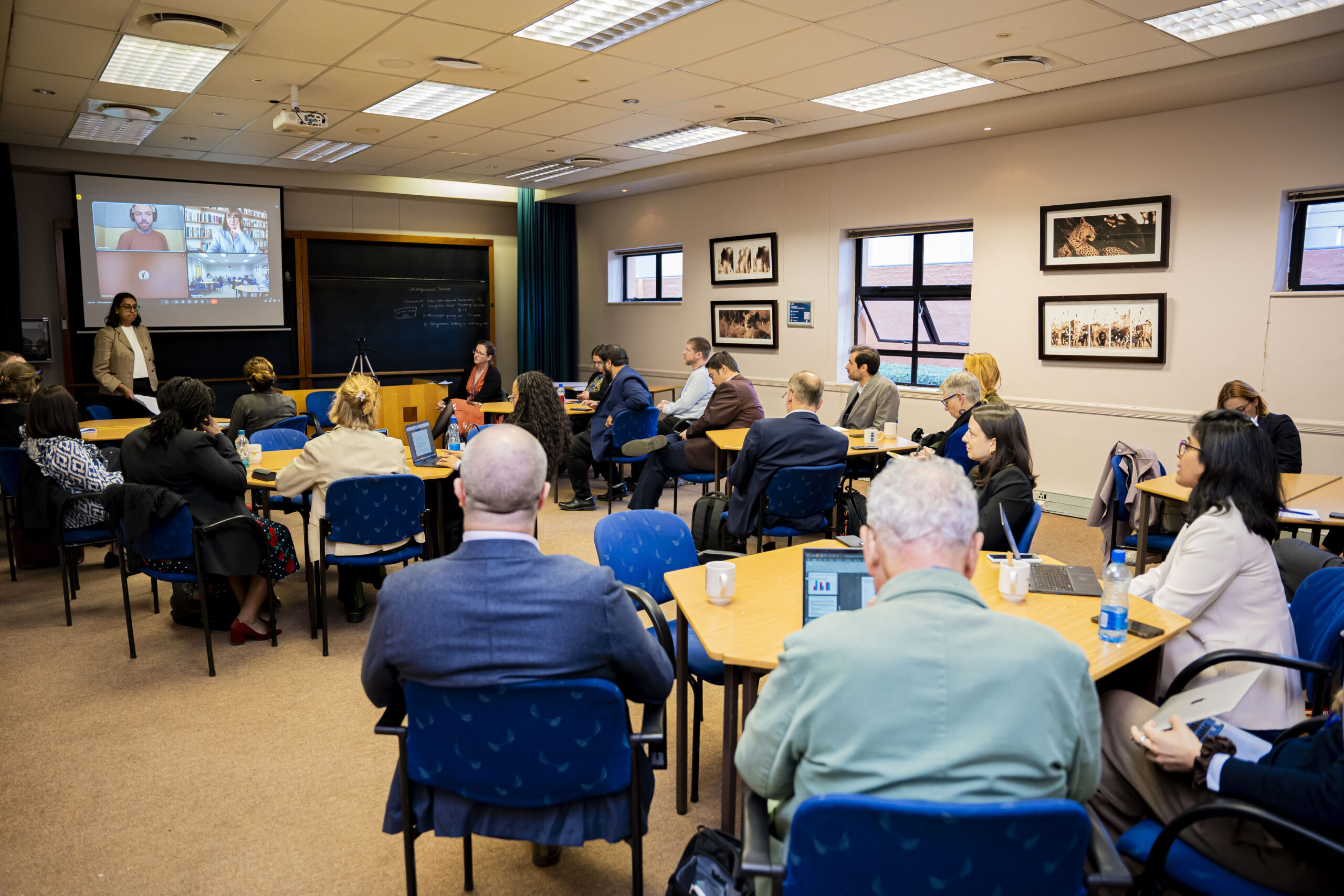
Think tanks are undergoing a significant transformation in the AI era, needing to rethink their roles from “knowledge brokers” to “knowledge owners” and embrace strategic communication and intentional design for AI integration. AI offers substantial opportunities for efficiency and automation in tasks like grant applications, report drafting, content repurposing, and information retrieval via tools such as internal search systems and institutional memory chatbots. However, this shift comes with risks and challenges, including potential staff misuse, lack of quality control, ethical concerns, and the possibility of eroding methodological integrity if not carefully managed. To address this, organisational readiness and capacity-building are crucial, necessitating the hiring of AI-specialised staff, dedicated budgets, and the establishment of AI task forces to guide ethical use and pilot projects. Practical actions involve sandboxing approaches for learning and finding trusted providers, while questions around disclosure and transparency of AI use in public outputs are emerging. Overall, the session highlighted the need for a balanced approach to AI, combining curiosity with caution and strategy with experimentation, recognising think tanks’ vital role in shaping AI for knowledge, equity, and public good.
Democratic or not: When evidence is not welcome
- Aida Aidarkulova, Executive Director, CAPS Unlock
- Dena Lomofsky, Partner and Senior Consultant, Southern Hemisphere
- Seyed Emamian, Founder, Governance and Policy Think Tank
- Facilitator/moderator: Margarita Beneke de Sanfeliú, Director, FUSADES
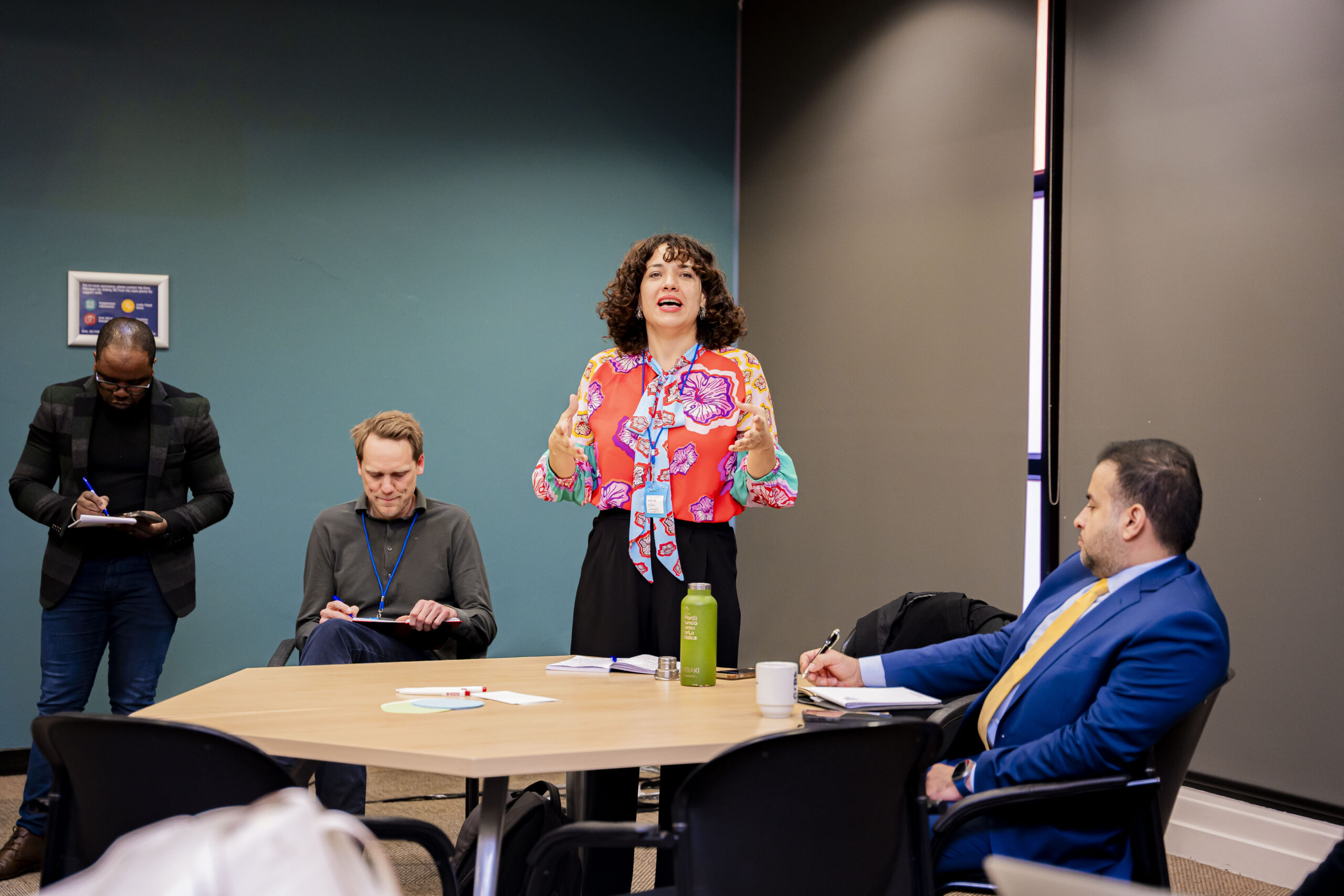
This session explored the challenging environment faced by think tanks, noting that despite a lack of data, the core challenge is a shrinking political space, with think tanks often labelled as foreign agents and losing critical resources. To maintain effectiveness, decisions must be guided by evidence, not fear, and influence in polarised environments requires think tanks to reframe their narratives to safeguard neutrality, preserve credibility, and keep a seat at the policymaking table without going silent, though this approach sparked debate during the session. The discussion highlighted the demand for optimism and adaptation, encouraging think tanks to reimagine impact, forge links with multilateral institutions and the private sector, bridge formal relationships with governments, and invest in resilient networks to ensure critical issues remain on the agenda.
Rethinking impact in an era of disruption: Recognising think tank value beyond traditional policy wins
- Dena Lomofsky, Partner and Senior Consultant, Southern Hemisphere
- Estefania Terán V, Senior Associate, OTT
- Frejus Thoto, Executive Director, African Center for Equitable Development (ACED)
- Philip Ibrahim Khan, Director of Strategy, Center for Advocacy and Global Growth (CAGG)
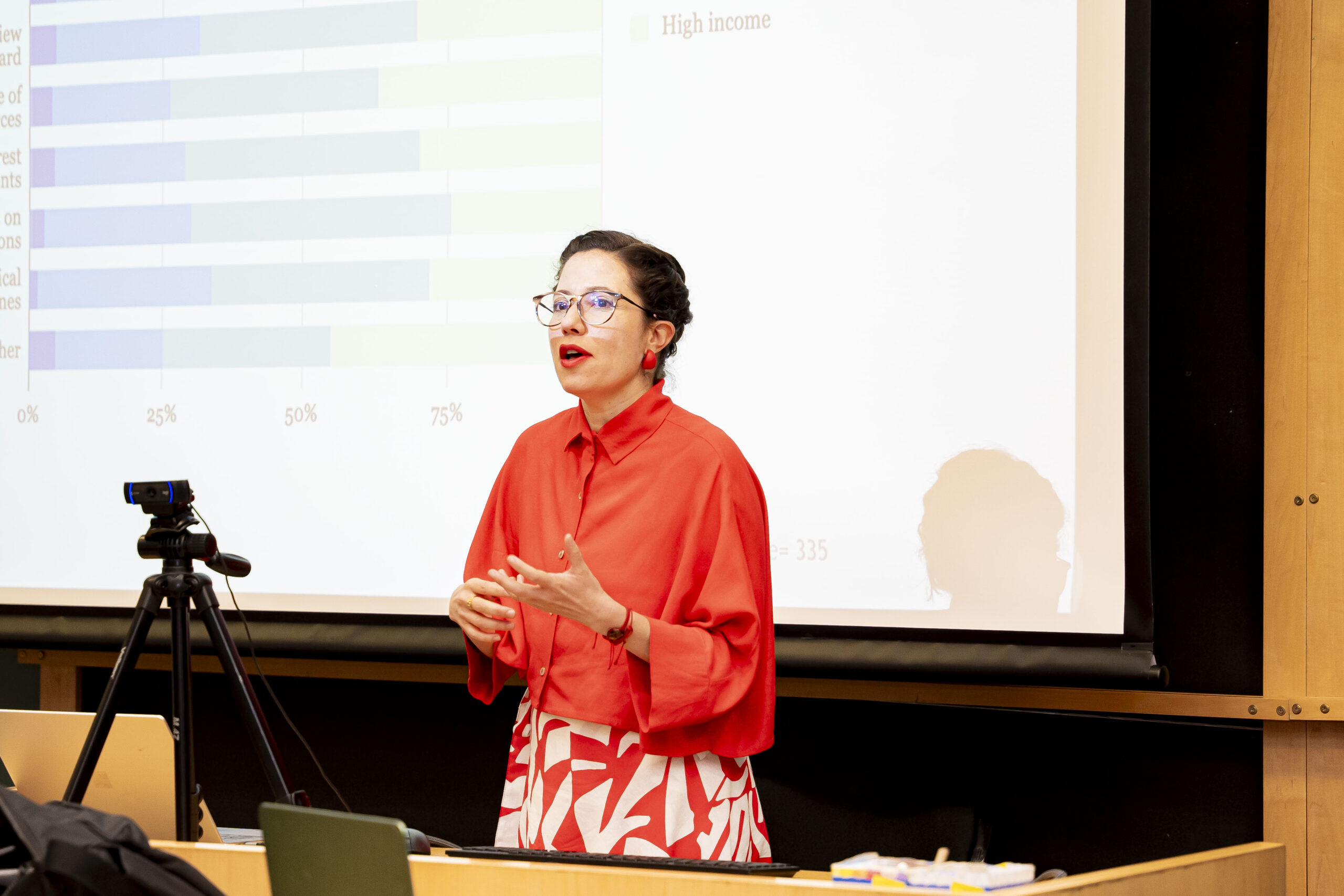
The session on rethinking impact highlighted a key debate: while direct policy influence is traditionally seen as the ultimate measure of a think tank’s success, many participants argued that the primary focus should shift to improving the lives of people. This sparked discussion on whether policy change should remain the sole objective, or if a broader definition of impact encompassing other valuable outcomes is needed, though a universal definition proved elusive. Further points of contention included whether intermediate outcomes should be considered impacts and if think tanks should engage in policy implementation or solely focus on providing evidence. A significant need was identified for think tanks to improve the communication of their results. Ultimately, the discussion underscored that “impact” carries diverse meanings depending on an organisation’s sectoral focus and local context, suggesting the topic warrants deeper exploration.