
 Previous

Day two | 18 June, 2025
The second day of the On Think Tanks Conference opened with a forward-looking series of sessions that tackled the intersection of innovation, adversity, and leadership in the world of policy research. From grappling with the opportunities and disruptions posed by AI, to navigating the political constraints in fragile or repressive environments, and exploring the emerging role of think tanks as training grounds for future policy leaders, the morning offered critical insights into the sector’s evolution. Whether by rethinking communication strategies in the AI era, sustaining credibility under pressure, or building the next generation of changemakers, the sessions showcased the adaptability and ambition of think tanks to remain impactful in a rapidly shifting landscape.
Will AI kill the think tank report?
- Amelia Broodryk, Director of Communications, ISS
- Karen Kühlcke, Strategy, Growth and Impact Manager, Cenfri
- Facilitator/moderator: John Schwartz, CEO, Soapbox
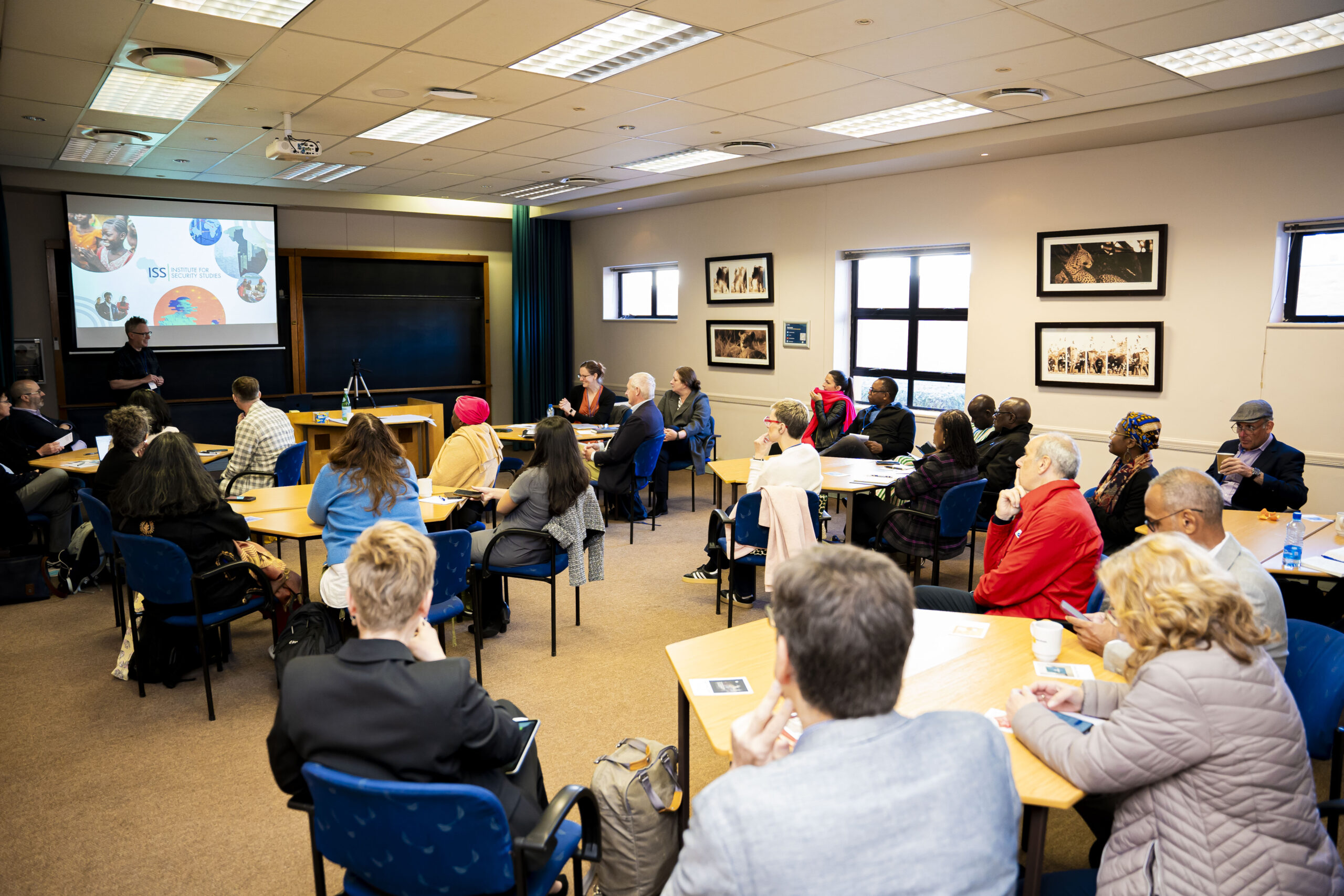
The session explored how think tanks can maintain relevance and influence in the AI era, emphasising strategic positioning and audience engagement by defining a clear niche and focusing on civil servants and ministerial advisors for deep influence through expertise and trusted relationships, rather than just elected officials. Effective communication and timing are crucial, with acknowledgement that while PDFs are still expected, diverse formats are increasingly preferred, and internal silos often hinder timely dissemination. Methods for policy engagement include establishing shared objectives in meetings, creating safe, invite-only dialogue spaces, and consistent, supportive check-ins with officials. Despite growing AI curiosity, particularly for internal tools like AI-powered search systems, confidence remains low, underscoring the need for capacity building for senior officials in safe learning environments. Credibility and relationship building are paramount, relying on quality work, strong networks, and supportive communication with officials, rather than loud self-promotion or public critique of bureaucracies without understanding them. The session balanced concerns about AI’s impact with practical tools and approaches, highlighting how AI can enhance workflows and decision-making when used intentionally and strategically.
The role and impact of think tanks in challenging contexts
- Gang Li, Prof. and Founding Director, China Think Tank Research and Evaluation Center (CCREC), Nanjing University
- Min Zar Ni, PhD Candidate, University of Southern Denmark (SDU)
- Yara Mourad, Assistant Director, Issam Fares Institute for Public Policy and International Affairs, American University of Beirut
- Facilitator/moderator: Maysa Baroud, Joint Fellow, Middle East Council on Global Affairs and Issam Fares Institute for Public Policy and International Affairs
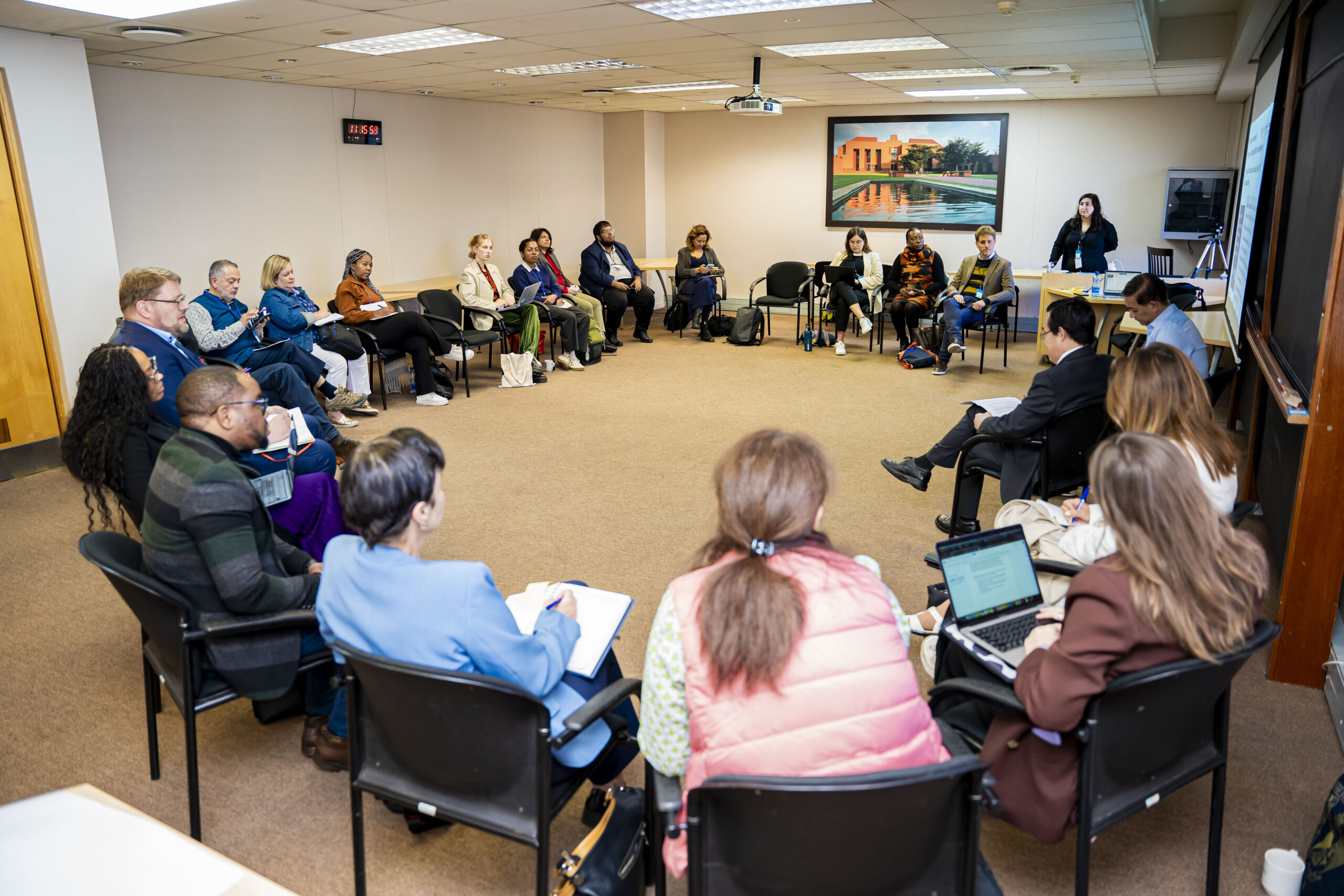
This session comprehensively explored the multifaceted challenges faced by think tanks operating in “challenging contexts” globally, particularly highlighting unique experiences in China, Myanmar, and Lebanon, where common obstacles include political pressure, security risks, public distrust, and limited access to reliable data and funding. It was noted that defining and measuring impact in such volatile and politically charged environments remains particularly difficult. The session delved into China’s predominantly governmental or university-based think tank landscape, where stable funding is offset by limited autonomy in agenda setting due to a weak culture of philanthropy and a lack of public policy debate spaces, though internal discussions persist to inform leaders. In Myanmar, think tanks grapple with role definition, talent retention, and the severe impact of political instability, leading some to transition into diaspora organisations. Key strategies for resilience include continuous engagement with local communities, providing timely “good and dirty” research to policymakers, and fostering trust through informal engagement. Lebanon’s Issam Fares Institute, operating in an “extremely volatile context,” exemplifies the need for agility and the role of academic institutions as neutral spaces for convening diverse stakeholders and co-creating solutions. Across these contexts, collaboration, networking, and actively combating misinformation with evidence are crucial strategies. The shrinking civil society space was identified as a pervasive challenge, necessitating adaptations from leveraging diaspora talent to pressing international donors for support.
Think tanks as training grounds for cultivating policy leaders
- Aditi Someshwar, Policy Analyst, Warwick Think Tank
- Benjamin Garcia, Executive Director, Espacio Publico
- Pamla Gopaul, Lead Coordinator, NEPAD
- Wanda Nick, External Relations Manager, Mercator Institute for China Studies (MERICS)
- Moderator/facilitator: Denis Foretia, Executive Chairman, Nkafu Policy Institute
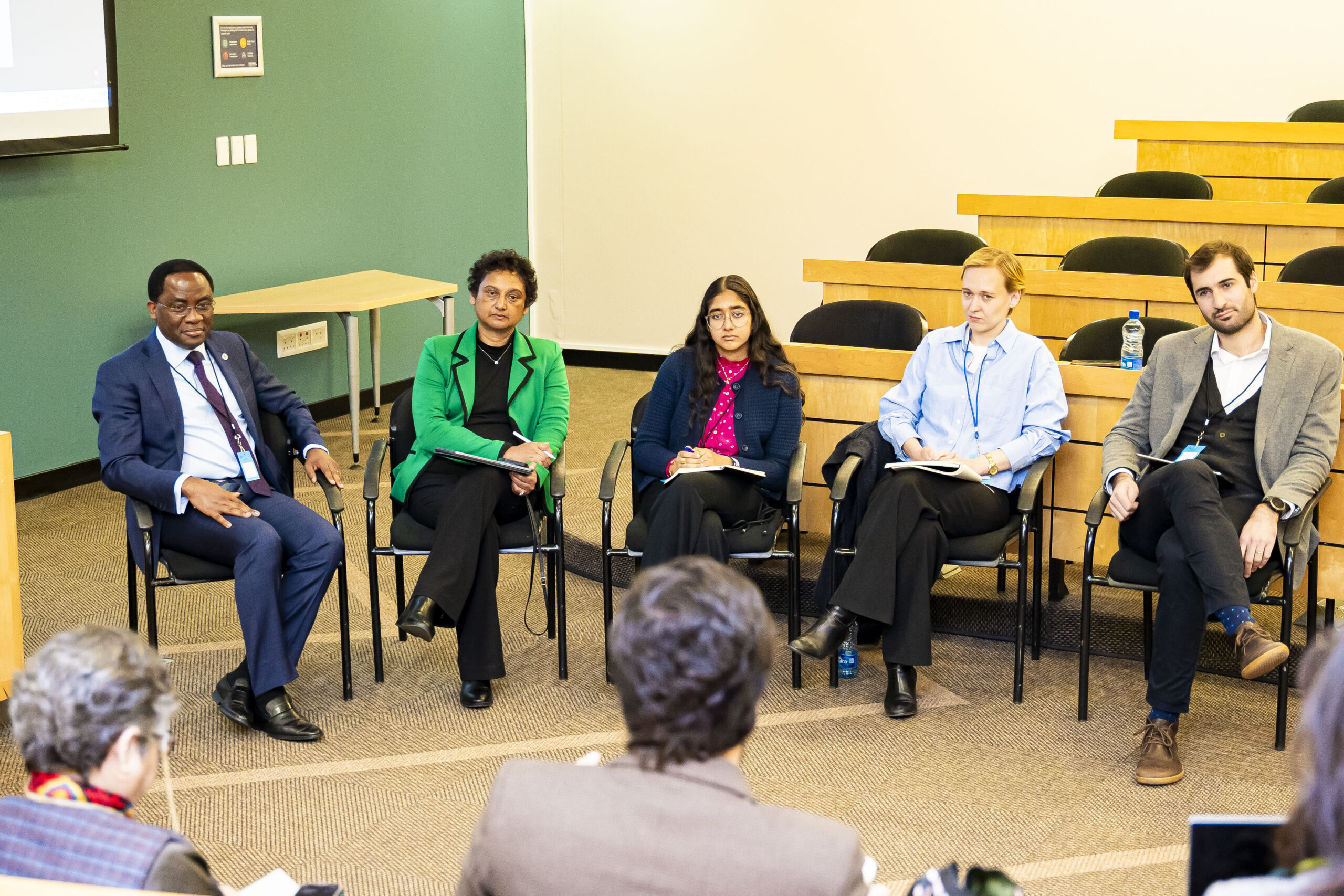
This session explored the evolving role of think tanks beyond traditional research hubs, highlighting a growing consensus that they are becoming vital “incubators for leadership skills” that nurture policy leaders through training, mentoring, and practical exposure. Programmes such as internships, fellowships, mentorships, and policy labs are increasingly offering critical skills in communication, stakeholder engagement, and leadership development.
However, the session also revealed a wide spectrum of approaches and contextual differences, noting that while African think tanks increasingly prioritise capacity building and policy training, some European counterparts may not yet view themselves primarily as leadership pipelines, illustrating varying national priorities and underdeveloped think tank ecosystems in some regions, such as Cameroon. Significant challenges were identified, including the tension between providing valuable, skill-building opportunities and ensuring fair compensation, with concerns about potential tokenism for youth engagement.
Furthermore, limited funding often impedes the retention of crucial communication professionals, despite universal recognition of their importance for policy influence. The overarching message was that for think tanks to truly bridge the gap between research and policy, they must strategically invest in leadership pipelines, offer fair compensation, develop alumni networks, and build robust communication capacities, thereby shaping not just knowledge but also the individuals who will carry it forward into governance and public service.
Thorny issues in evidence-informed policymaking: Getting policy unstuck
- Tom Hashemi, CEO, Cast from Clay
- Rakesh Rajani, President, Just Systems
- Sandy Africa, Director of Research, MISTRA
- Enrique Mendizabal, Founder and Executive Director, On Think Tanks (OTT)
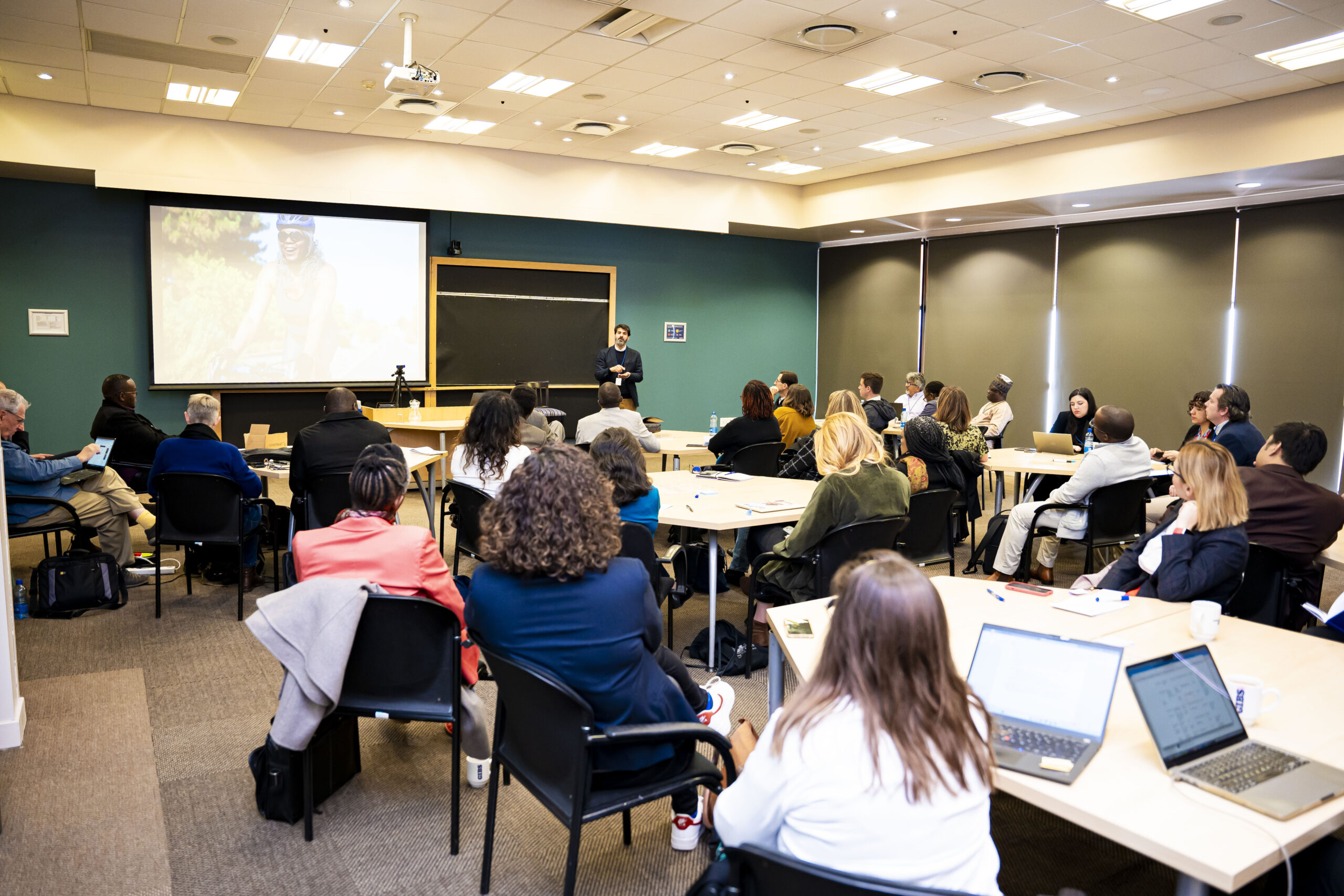
Even with strong evidence, political will, and public support, reforms often stall. This session explored why efforts to promote evidence use sometimes fail, drawing from case studies in the UK, South Africa, and beyond. In the session “Getting Policy Unstuck” at the 2025 OTT Conference, a panel of experts challenged the assumption that more or better evidence is enough to drive policy change. Despite significant progress in the field of evidence-informed policy (EIP), reform efforts often stall because the root problems are political, institutional, and relational — not technical. The panel emphasised that policy spaces are complex and contested, where evidence is only one of many factors shaping decisions. Deeply embedded “thorny issues” — from corruption and weak institutions to donor-driven research and poor communication — continue to block the path from knowledge to action.
To address these challenges, the session proposed a shift in strategy: stop selling technical fixes to political problems, and start building trust, aligning with policymakers’ agendas, and embedding ideas in political opportunity. Influencing policy, the speakers argued, requires empathy, communication, and collaboration — not just facts. Think tanks must understand how government systems actually work, co-create solutions with decision-makers, and engage wider ecosystems, including civil society and the media. In short, success lies not in producing more evidence, but in becoming trusted, strategic actors within the policy system.
Speakers shared the following resources:
- Are we ready to address thorny issues in evidence informed policy?
- Playing the long game: elite capture in Peru
- Evidence informed policy and corruption
- Helping NGOs and Funders Make the ‘Big Shift’ to Working With Government
- Policy Unstuck – Cast from Clay
- Beyond the Weaver Work metaphor, it’s time to be realistic about South Africa’s potential futures
- Journeys into Our Future Book: Xolelwa Kashe Katiya (video)
- Oldies but Goldies: A look back at the literature on evidence informed policy and think tanks
- Rethinking evidence-informed policy and scaling: lessons, challenges, and opportunities