
 Previous

Day one | 17 June, 2025
Day One of the 2025 On Think Tanks Conference brought together leading practitioners and thinkers to explore how policy research organisations can adapt, innovate, and stay influential in an increasingly complex and contested global landscape. Through a series of dynamic workshops and sessions, participants tackled some of the sector’s most pressing challenges — from turning evidence into compelling campaigns, to reimagining the future of think tanks, delivering on the promise of cooperation, and confronting the realities of state capture. These discussions highlighted the need for new skills, stronger coalitions, and deeper strategic thinking to ensure that think tanks remain not just relevant, but resilient and impactful.
Workshop: Turning evidence into impactful campaigns
- Cynthia Mugo, Policy and Stakeholder Engagement Advisor, International Livestock Research Institute (ILRI)
- Michael Victor, Head of Communications and Knowledge Management, International Livestock Research Institute (ILRI)
- Facilitator/moderator: Natallia Nenarokamava, Head of Strategy, Cast from Clay
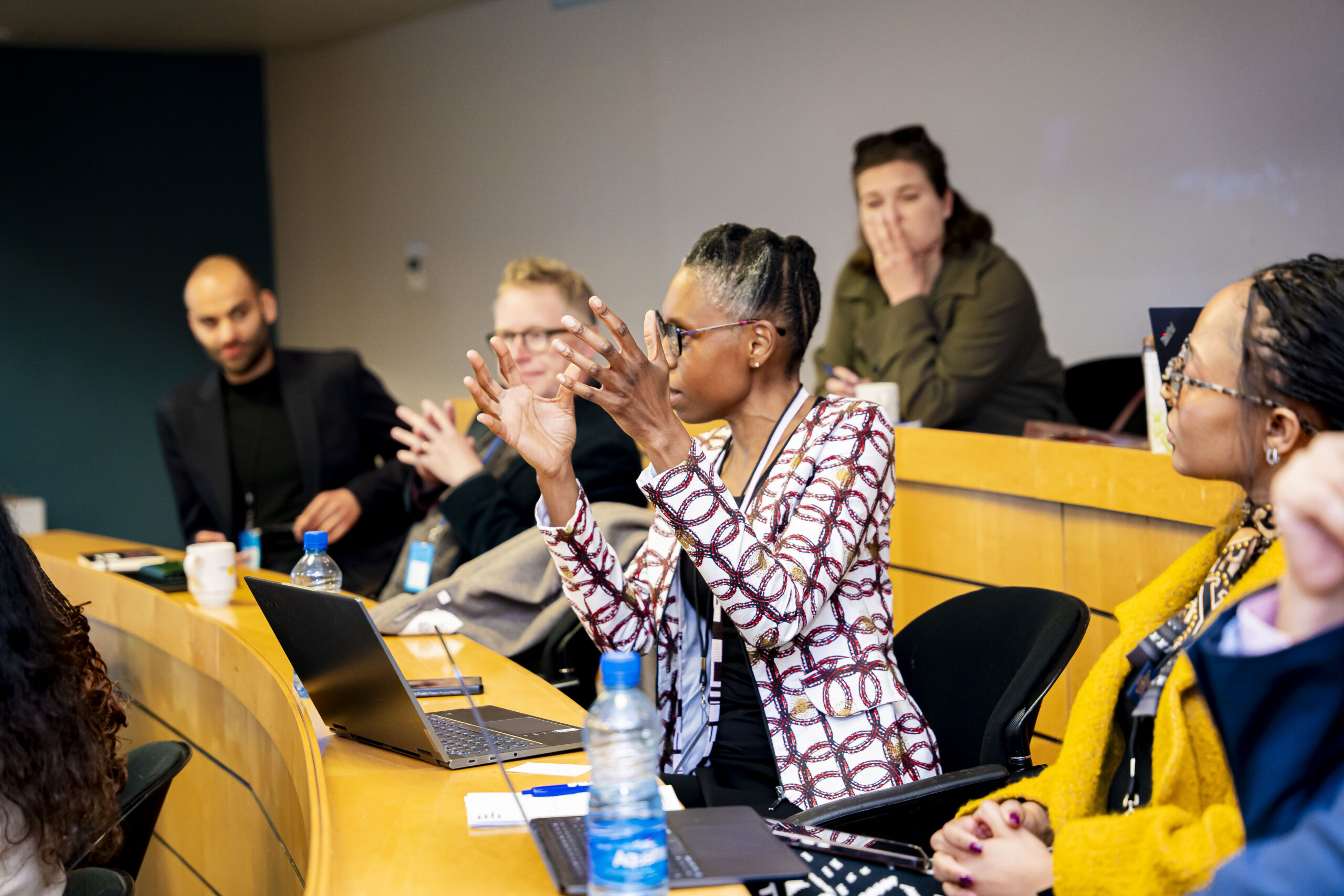
This session highlighted that campaigns are becoming an increasingly vital tool for research organisations to foster collaboration and move beyond conventional outputs, necessitating the development of new skills in strategic communication, storytelling, and audience engagement to ensure research findings resonate effectively with policymakers and the public. The discussion underscored the challenge of message selection, which requires balancing inclusivity for all coalition members with a clear focus on key campaign objectives, while maintaining unity to effectively influence policymakers. While campaigns strategically utilise diverse platforms like social media and events to maximise outreach, the session acknowledged the inherent complexity in measuring their real impact, especially amid donor pressures for specific outcomes, given that policy influence is typically gradual and multifaceted.
Change hubs: Beyond differences
- Erica Schoder (US), Executive Director, R Street Institute
- Liliana Alvarado, Executive Director, ETHOS
- Monica Nadal, Research Director, Fundaciò Bofill
Facilitators/moderators:
- Chandré Gould, Senior Research Fellow, Institute for Security Studies (ISS)
- Senzekile Bengu, Research Office, Institute for Security Studies (ISS)
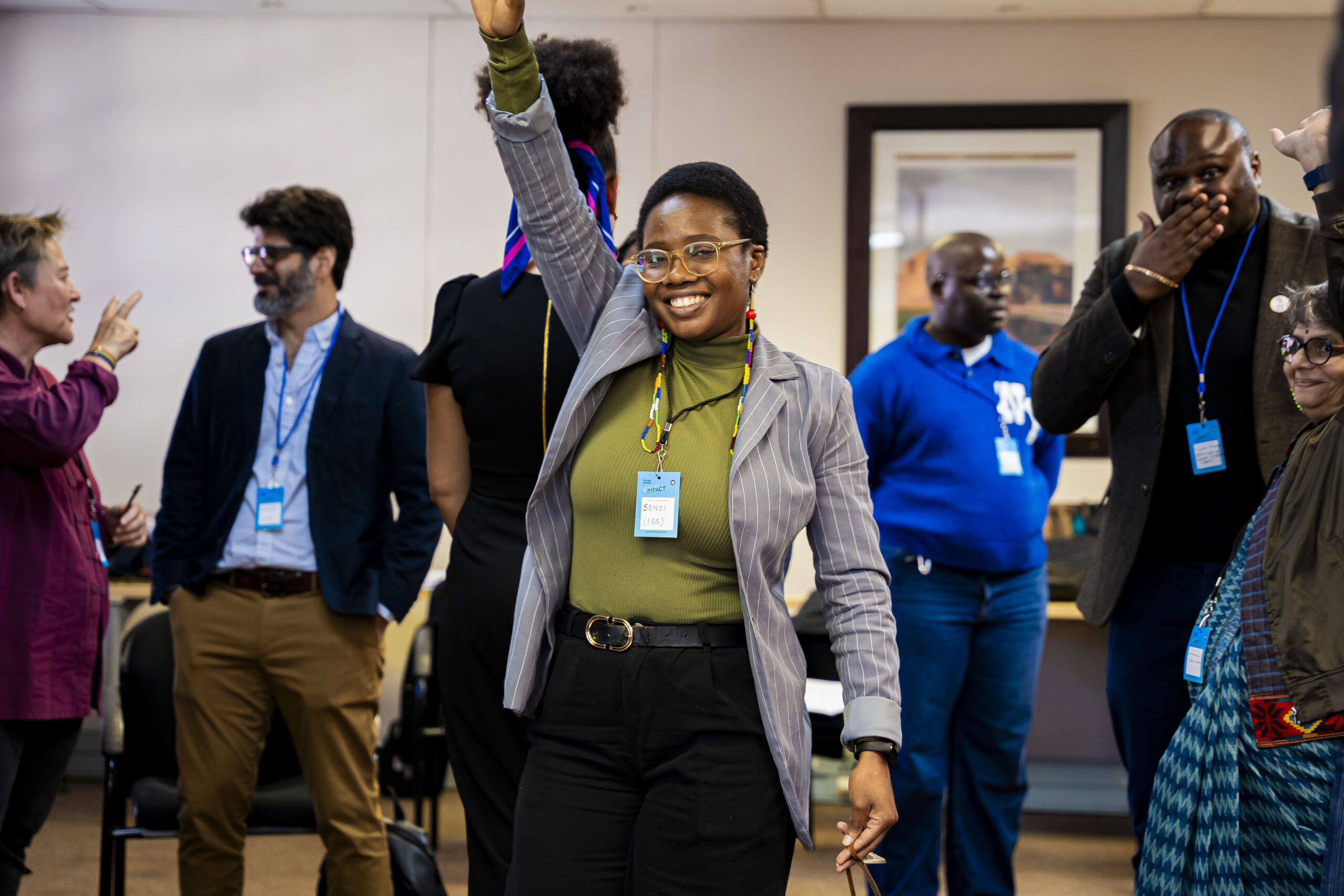
The session emphasised that collaboration is crucial for achieving a lasting impact, particularly given the complexity of social issues and the global political context. Participants noted that partnerships are deeply embedded in their specific contexts and the type of leadership involved. While challenges such as a lack of trust, value misalignment, and limited resources hinder collaboration, think tanks are actively finding new ways forward. These include intentionally selecting partners, fostering trust, and continuously assessing their environment to ensure effective engagement.
The future of think tanks: Strategic foresight mini-workshop
- Estefania Terán V, Senior Associate, OTT
- Joy Chatterjee, Senior Associate, OTT
- Stewart Nixon, Deputy Director, Research, IDEAS Malaysia
- Facilitator/moderator: Tanja Hichert, Futures and Foresight Practitioner
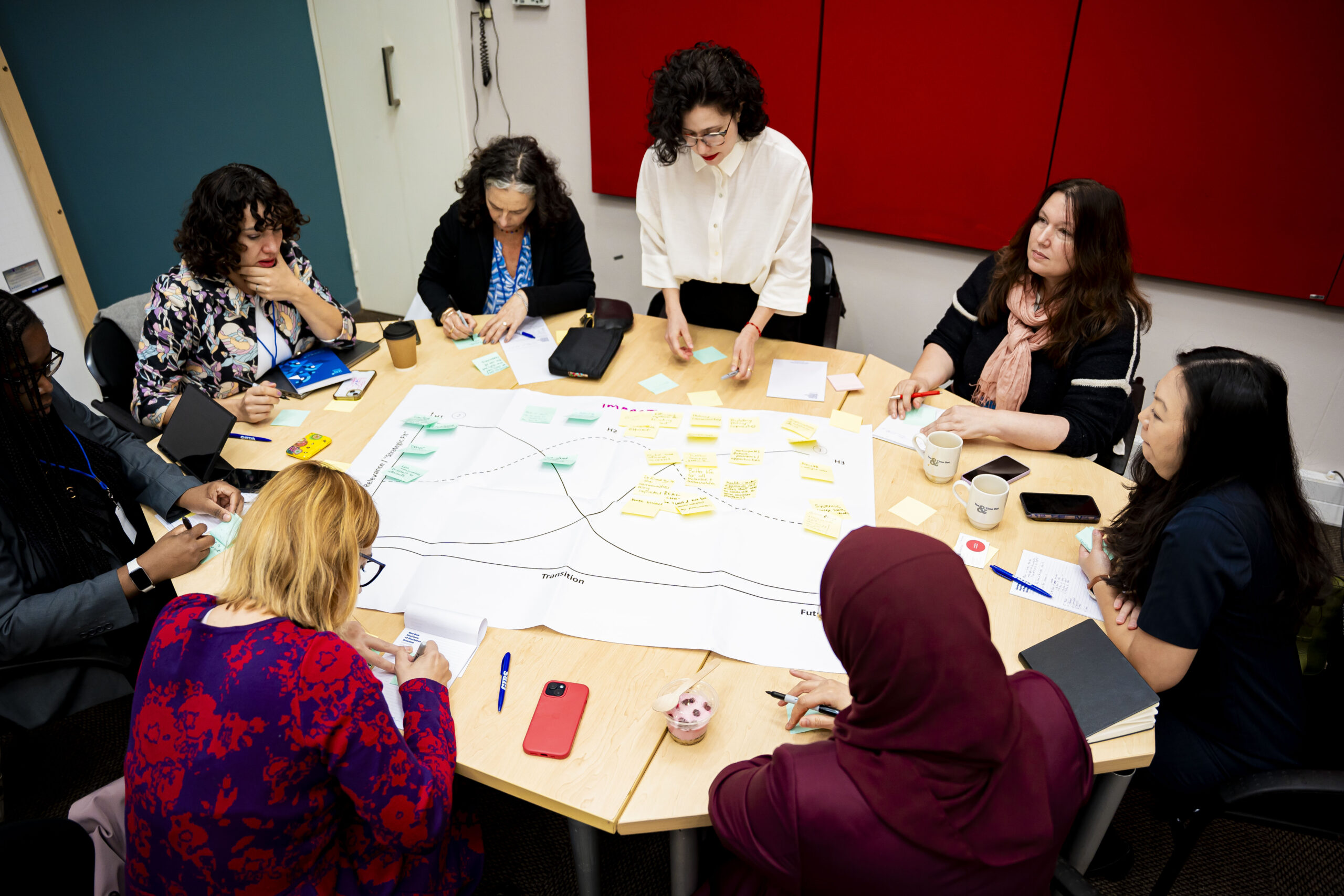
This strategic workshop employed the Three Horizons Framework to explore the future of think tanks across four key areas: knowledge products, skills and staff, impact, and roles. For knowledge products, the transformational vision is for timely, usable, and multi-format outputs that empower Southern actors, moving away from slow, PDF-dominated reports towards iterative, user-centred designs linked to strategic influence moments. Regarding skills and staff, the future envisions values-driven, embedded, and systemic solutions, transitioning from fragmented systems to greater Southern influence, collaboration, and agility, while retaining ethical approaches and data-informed thinking. In terms of impact, the goal is values-led knowledge ecosystems with systemic, large-scale social transformation, shifting from inconsistent measurement and siloed research to improved monitoring, evaluation, and learning (MEL) and cross-sector collaboration, maintaining commitment to ethics and data. Finally, for roles, think tanks aim to become trusted policy advisors, global connectors, and sustainable knowledge stewards, evolving from unclear positioning and siloed operations by building communication muscle, diversifying funding, and integrating technology. The session provided a collaborative space to envision the future of think tanks, balancing their enduring strengths with necessary adaptations for complex, uncertain environments.
Gaming state capture
- Sonja Stojanovic Gajic, Research Fellow, the University of Rijeka
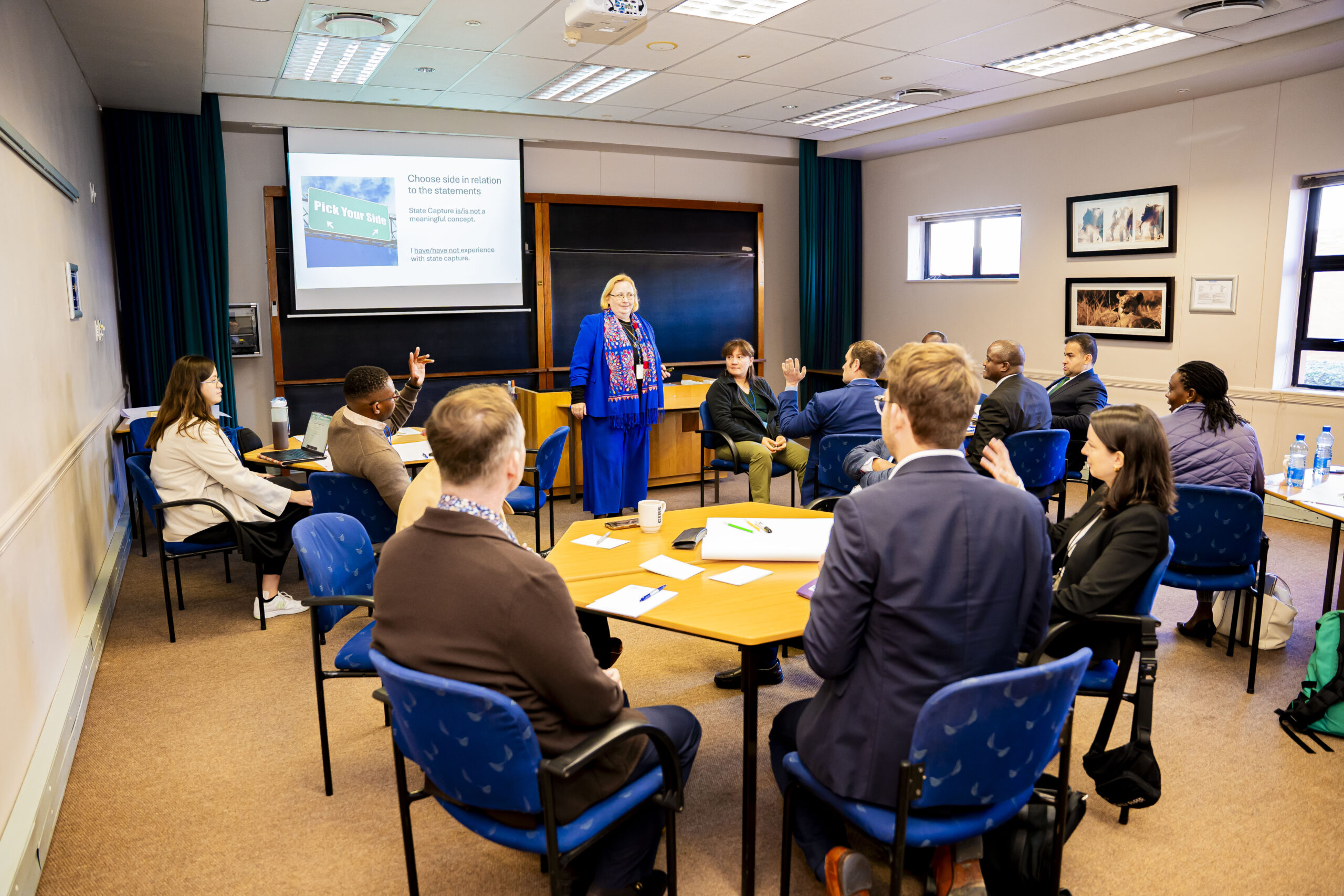
The “Gaming state capture” session highlighted how state capture necessitates fundamental adaptations in think tank operational models, going beyond mere corruption to involve the systemic influencing of state governance, often through legal means, to serve private or specific regime interests. Participants identified key strategies for think tanks to adapt, including seeking cooperative engagement at international levels, strengthening local coalitions and communications, and, in severe conditions, scaling down operations or engaging with broader civil society. The session also provided crucial insights for donors, suggesting they can support democratic governance by consulting grantees, assessing influence channels, and engaging in proactive emergency responses, such as establishing “war-rooms,” particularly when they have greater freedom of action.